Arhiiv kuude lõikes: August 2019

Multifunctional layered clothing

Hiking websites recommend wearing layers, because these make adjusting between warm and cold weather or uphill and downhill walking simple. One thick garment would only work for cold, but taking it off when it gets too hot may leave only too thin clothing.

The same principle of layers applies for everyday clothes. My office is 12 degrees in winter mornings, so I wear two pairs of pants, sometimes two vests and a fleece. Instead of one thick pair of pants that would only suit cold temperatures, thin pants can be worn singly in warm weather and doubled up in cold.

For cycling in the cold, shorts can be worn under long athletic slacks. This principle should also work for hats – two thin fleece ski caps instead of one thick, but I have not tested it. Similarly, two pairs of socks. Although, just like with thick socks, if doubled socks make the shoes fit too tightly, then the reduced circulation increases the cold feeling.

Toe warmer making instructions on the internet suggest using the cut-off front parts of old socks. A more multifunctional option is to roll back existing socks halfway, so both the toe and the ankle part of the sock cover the toes, as in the following image.
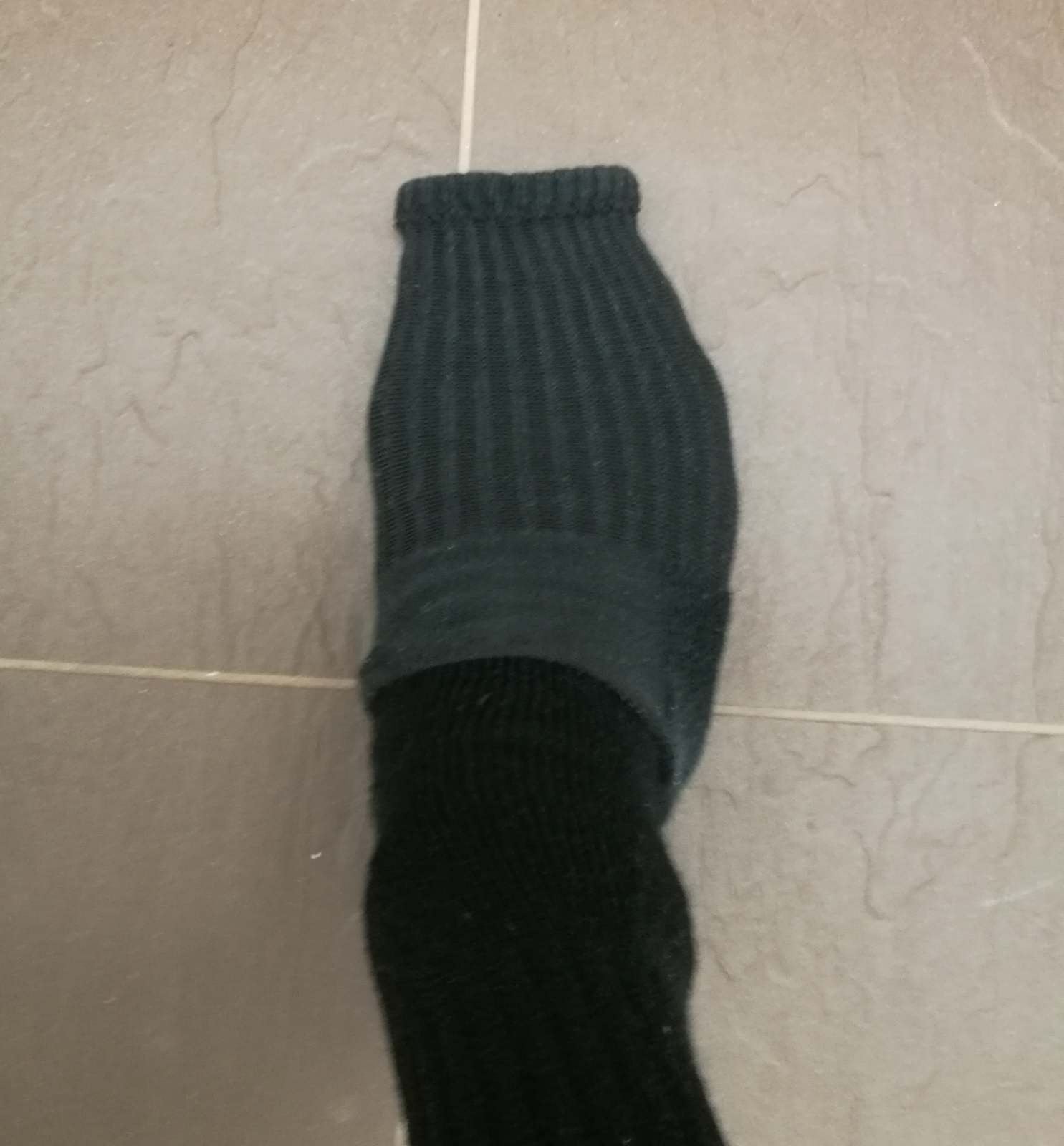
Cut socks only work as toe warmers, but rolled-back socks can be used year round.

Volunteer work is less efficiently allocated than paid work

In my experience, the labour of volunteers and low-wage workers is frequently wasted, just like other free or cheap resources. Unlike for expensive market work, there are no price signals to guide people to the most important tasks first. If activities are not prioritised based on how productive these are, then randomly allocating labour is likely to select work with low usefulness.

Within an organisation, competent managers of volunteers may direct them to the most productive work, but even with the best leaders managing some volunteering opportunities, it remains unclear which organisations do the most good and thus should get priority labour. There is a limited amount of work hours available, just like other resources. Even the best volunteers cannot do everything at once, so to maximise social welfare, the most helpful tasks should be done first. In market work, the employer at which a worker is most productive is generally willing to pay the most for this person’s services. Then if people follow the money, their labour gets allocated to the highest-value tasks.

Of course, markets are not perfect and the importance of some work is not accurately measured in money, but for reasonably rational agents, a noisy signal is better than no signal. Prices carry information and help efficient allocation of resources. One way to better allocate volunteer labour is to establish a pseudo-money for unpaid work: each nonprofit organisation gets a certain amount of credits initially and can spend these to “hire” voluntary workers. Credits used for one person cannot be used for another, so the organisation willing to give away the most for a given individual’s services is probably the one receiving the greatest benefit from that person. Volunteers can then use the credits offered to judge where they would be the most productive (could do the greatest amount of good).

Blind testing of clothes

Inspired by blind taste testing, manufacturers’ claims about clothes could be tested by subjects blinded to what they are wearing. The test would work as follows. People put clothes on by feel with their eyes closed or in a pitch dark room and wear other clothes on top of the item to be tested. Thus the subjects cannot see what they are wearing. They then rate the comfort, warmth, weight, softness and other physical aspects of the garment. This would help consumers select the most practical clothing and keep advertising somewhat more honest than heretofore. For example, many socks are advertised as warm, but based on my experience, many of them do not live up to the hype. I would be willing to pay a small amount for data about past wearers’ experience. Online reviews are notoriously emotional and biased.

Some aspects of clothes can also be measured objectively – warmth is one of these, measured by heat flow through the garment per unit of area. Such data is unfortunately rarely reported. The physical measurements to conduct on clothes require some thought, to make these correspond to the wearing experience. For example, if clothes are thicker in some parts, then their insulation should be measured in multiple places. Some parts of the garment may usually be worn with more layers under or over it than others, which may affect the required warmth of different areas of the clothing item differently. Sweat may change the insulation properties dramatically, e.g. for cotton. Windproofness matters for whether windchill can be felt. All this needs taking into account when converting physical measurements to how the clothes feel.